

The cost of an industrial water treatment system? It's really not something you can figure out just by looking at the flow rate. I've lost count of how many times buyers come to me asking for a quick quote, and honestly, that's where the trouble starts. A price that looks too good to be true probably is — it might be missing pre-treatment, pressure vessels, control systems, dosing equipment, or even basic compliance work. A solid budget has to start with real project data, not a wild guess.
Prices for these systems can go from a few thousand dollars all the way up to hundreds of thousands. It all comes down to things like raw water quality, flow rate, what you're trying to achieve, how automated you want it, what materials you need, what certifications are required, and what the installation site looks like. So yeah, the only way to get a reliable number is through a proper technical quotation that's built on actual water quality analysis and your specific project requirements. Don't let anyone tell you otherwise — without that analysis, you're basically flying blind.
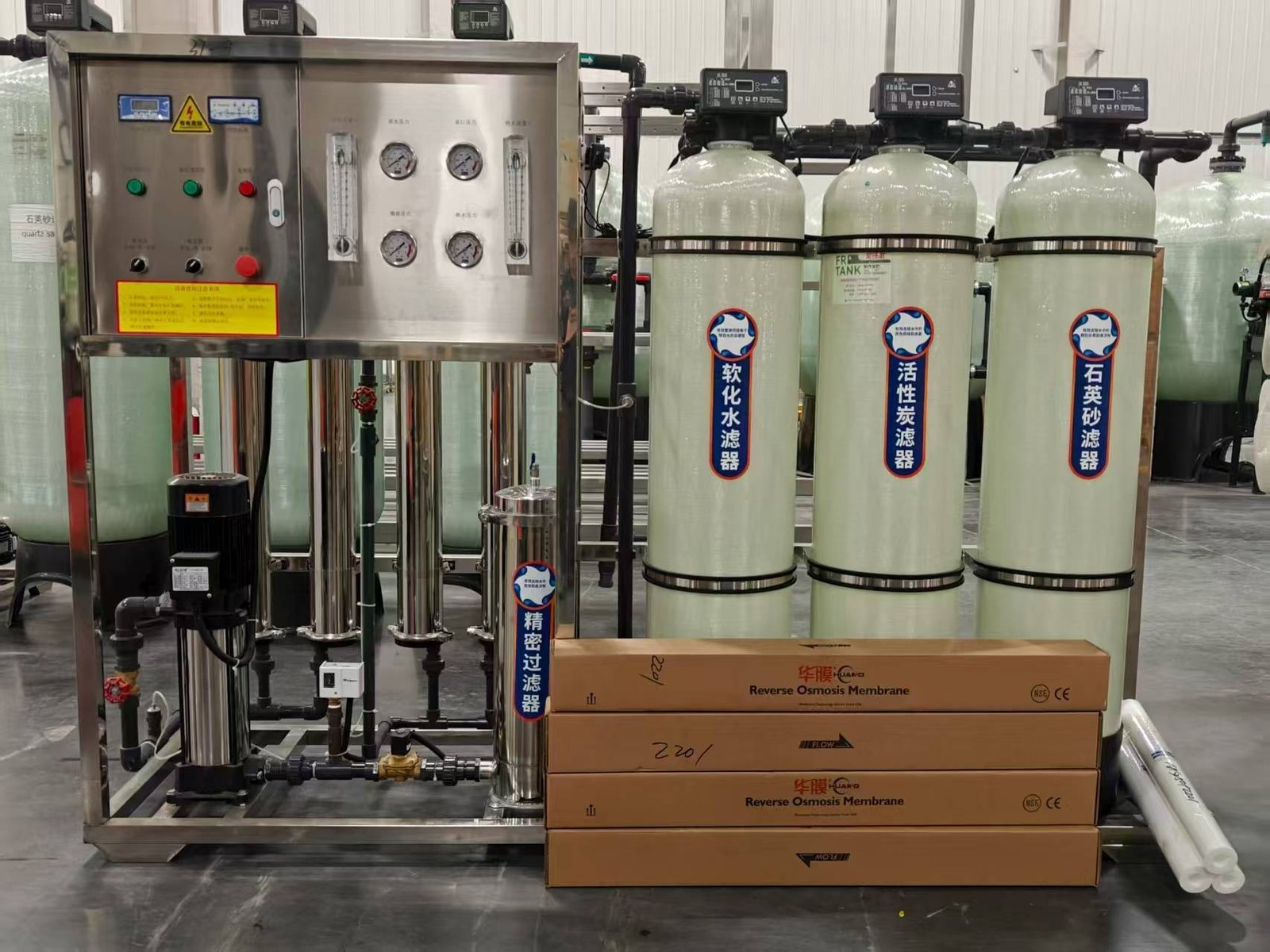
After decomposing the system into the actual cost factors, cost comparisons will become much easier. For the same flow rate, if the water source, pressure, membrane component configuration, tank quality or hygiene requirements change, the price may vary significantly.
Which factors affect the cost of industrial water treatment systems?
Here's what I've found after years in this business: the cost isn't driven by any single factor. It's a mix — water quality, how much you need to process, what you're trying to achieve, how the system is configured, the quality of the components, pressure ratings, how automated you want it, and what certifications you need. Ignore any of these, and you're guessing, not budgeting. Get any of these wrong, and your budget estimate is off.
Let me give you an example. A basic filtration system is one thing — cheap and simple. But once you start adding multimedia filters, softeners, RO membranes, dosing tanks, controllers, and FRP membrane housings, the price jumps significantly. Yeah, better components cost more upfront. No question about it. But here's what I've learned over the years: they save you from leaks, unexpected downtime, and having to replace things way sooner than you'd expect. In the long run, that upfront investment usually pays for itself.
Why are the prices of the same capacity systems different?
Two systems with the same flow rate may have different costs due to different designs.
Key differences include:
| Cost Driver Factor | Importance Reason |
|---|---|
| Raw water | High hardness, iron content or total dissolved solids (TDS) require more treatment |
| Pre-treatment | FRP filter tanks, valves, filter materials, dosing, etc. will increase costs |
| Reverse osmosis design | Membrane volume and shell quality affect the price |
| Materials | Food-grade linings, FRP materials and fittings are crucial |
| Certification | CE, NSF, ISO or health-related documents should be verified |
| Automation | Manual systems are less costly than PLC-controlled systems |
As a component manufacturer, I always recommend that buyers compare configurations comprehensively, not just the total price.
How to safely reduce total cost?
I reduce risks by evaluating the full life cycle cost, not just the purchase price.
A cheaper system sounds great until you're stuck replacing membranes every few months, racking up maintenance costs, dealing with downtime, and worrying about compliance. I've seen it happen.
Common questions
Can I get a fixed price without water quality analysis?
Usually not. A responsible quote needs to provide the quality of raw water, water quality standards, flow rate, pressure and application details.
Is it sufficient to meet system compliance requirements by using only certified components?
Not always. CE, NSF, ISO or health-related documents can be helpful, but final compliance depends on the entire project and local market rules.
What materials should I submit to get a quote?
Please provide water quality test data, required capacity, water treatment volume, voltage requirements, automation requirements, pressure requirements and preferred materials.
Conclusion
Here's the thing: there's no such thing as a standard price for an industrial water treatment system. Every project is different. So instead of just comparing bottom lines, look at what you're actually getting — the components, the documentation, the long-term risks. And hey, if you're working on a quote right now, we at Hedelong can help with FRP tanks, membrane housings, dosing tanks, and everything in between. Just reach out.