
Well water can look clean but still damage equipment, stain fixtures, smell bad, or fail safety checks. I see this problem often.
The best filtration system for well water is a treatment train chosen after water testing. I first check sediment, hardness, iron, manganese, TDS, odor, and microbes, then match filters, softeners, carbon, UV, RO, or NF to the actual water use.
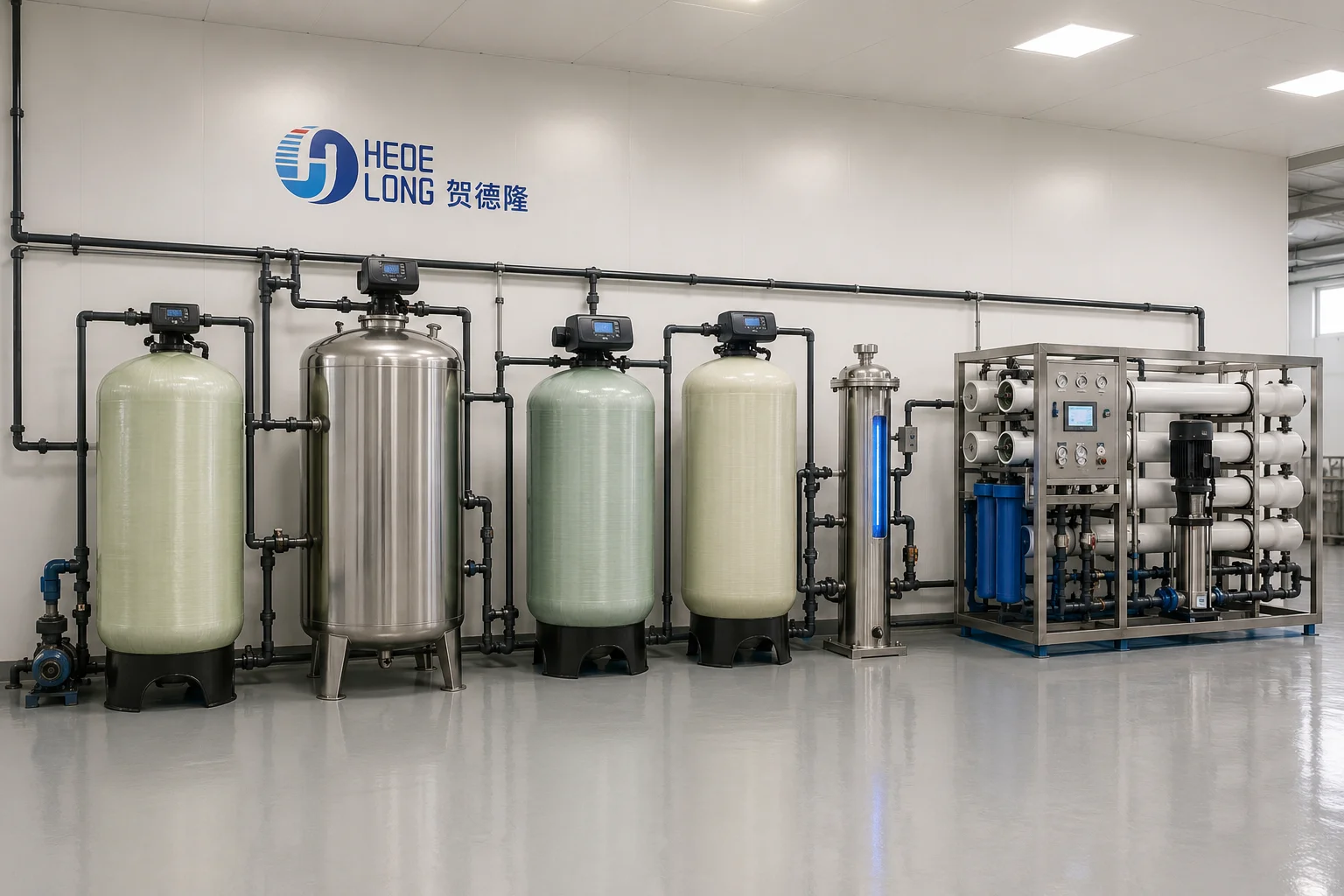
I do not like to answer this question with one product name. I have supplied well water systems for distributors, brand owners, and project contractors, and I have seen one pattern many times. The “best” system is usually not the most expensive system. It is the system that fits the water report, the site use, and the after-sales risk. If I ignore these three points, the buyer may pay more and still face complaints. If I follow them, the system becomes easier to sell, easier to install, and easier to maintain. I will break down how I make this choice in a practical way, so the next system decision can be safer and clearer.
Why should I start with a water test report?
A well water system chosen by guesswork can fail fast. I have seen clear water still carry hardness, iron, bacteria, or high TDS.
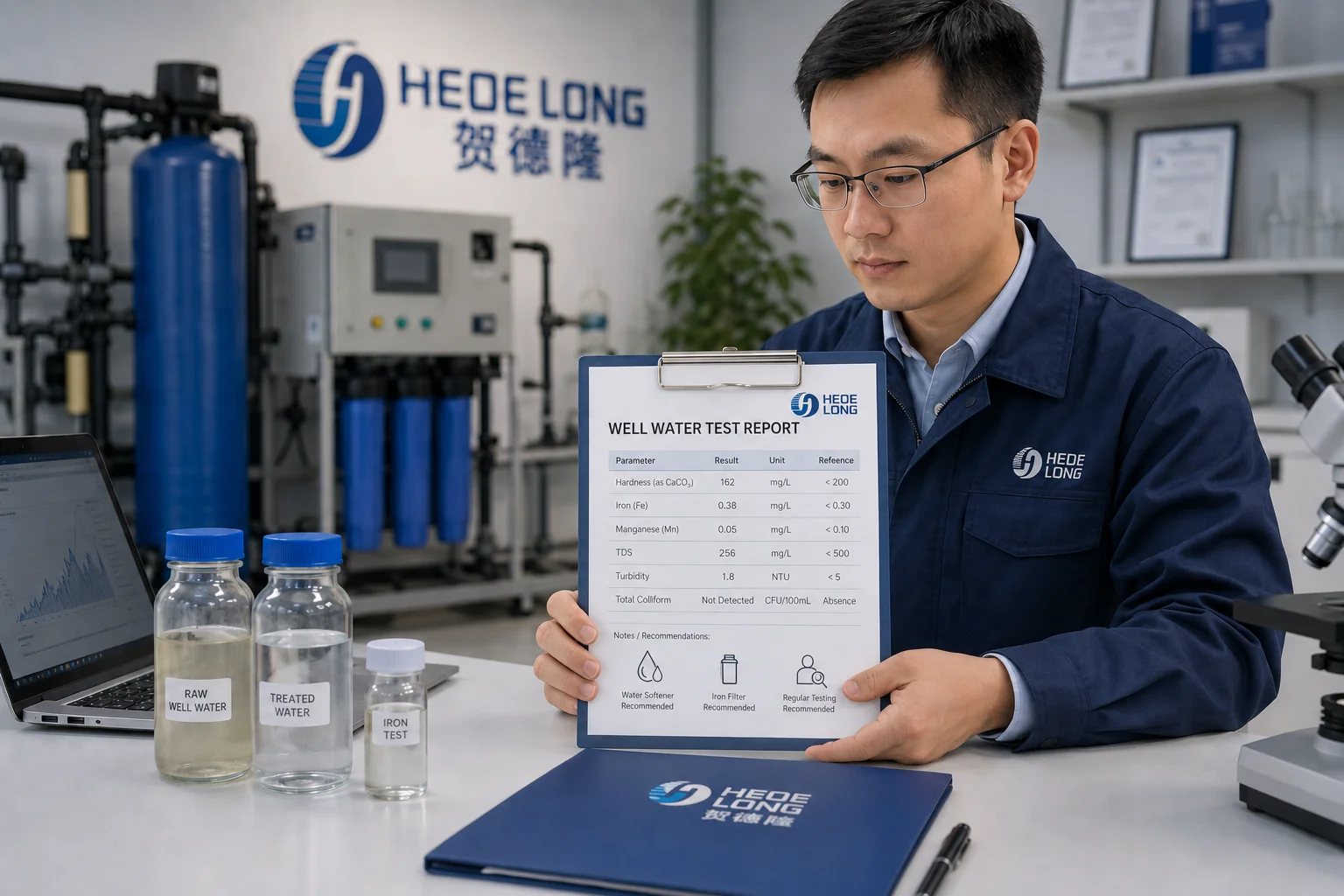
The first step is a complete water test report. I check hardness, iron, manganese, TDS, turbidity, odor source, and microbial indicators before I choose any filter, softener, UV, RO, or NF system.
What I check first
I start with the water test because well water changes by region, depth, season, and local geology1. Two wells in the same town can need very different systems2. One well may mainly have sand and turbidity. Another well may have iron, manganese, hardness, and odor. A third well may have high TDS or salinity. If I only sell one “universal” product, I may create a system that looks simple but does not solve the real problem.
| Test item I ask for | Why I need it | Typical equipment direction |
|---|---|---|
| Turbidity and sediment | I need to protect valves, pumps, and membranes | Sediment filter or multi-media filter |
| Hardness | I need to reduce scaling risk | Softener or anti-scale treatment |
| Iron and manganese | I need to prevent stains and metallic taste | Oxidation plus media filtration |
| TDS and salinity | I need to judge dissolved solids | RO or NF may be needed |
| Microbial indicators | I need to manage health risk with verified data | UV or disinfection after local confirmation |
| Odor and organics | I need to reduce smell and taste issues | Activated carbon, sometimes with pre-oxidation |
How I use the report
I do not use the report as a decoration. I use it to build the treatment order. I also ask about the target use. Drinking water, domestic water, boiler feed, agriculture water, and commercial process water all need different choices. I do not make drinking water safety claims by myself. I ask the buyer to confirm safety with third-party testing and local rules.
What treatment steps do I usually combine for well water?
A single filter can look cheaper at first. I often see that it later causes clogging, scaling, odor complaints, or repeat service calls.
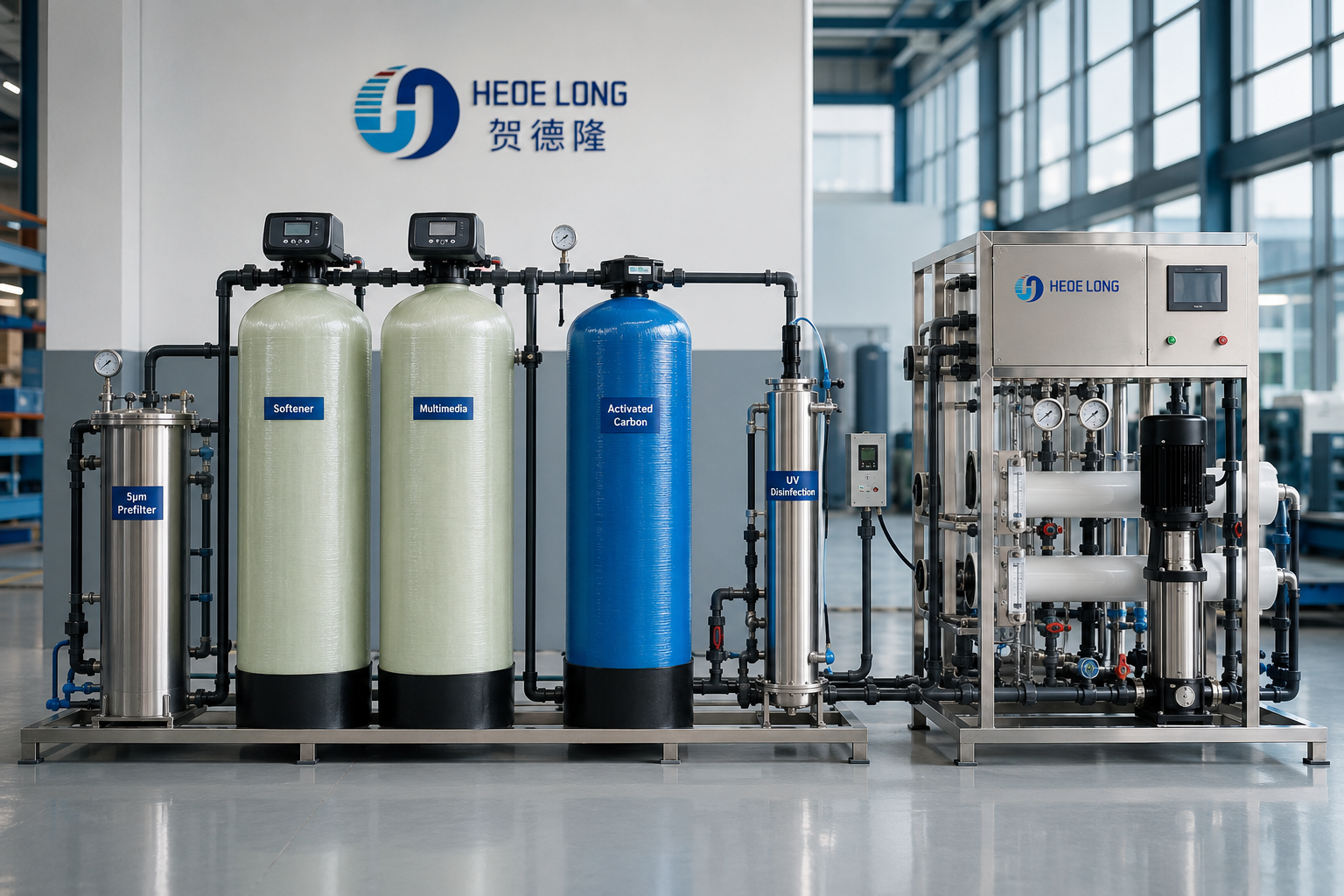
I usually build well water filtration as a sequence: sediment removal, hardness control, iron and manganese removal, carbon filtration, disinfection, and RO or NF when dissolved solids require it.
My usual treatment train logic
I treat well water as a chain. Each step protects the next step. If I place equipment in the wrong order, the system may fail even when each product is good. A sediment filter protects softeners, carbon filters, UV lamps, and RO membranes.3 A softener or anti-scale system helps reduce scale on heaters, pipes, boilers, and membranes.4 Iron and manganese removal must be handled before they stain equipment or foul downstream parts.5 Carbon can improve odor and reduce some organic issues, but I do not treat it as a safety barrier for microbes.6 UV can help with microbial risk, but it needs clear water and verified testing.7
| Step | My purpose | Common equipment |
|---|---|---|
| 1. Pre-filtration | I remove sand, silt, and suspended solids | Cartridge filter, bag filter, multi-media filter |
| 2. Iron or manganese control | I reduce staining and metallic taste risk | Oxidation, greensand-type media, catalytic media |
| 3. Hardness control | I reduce scale risk | Water softener, dosing, anti-scale unit |
| 4. Carbon filtration | I improve odor and taste issues | Activated carbon filter |
| 5. Disinfection | I manage microbial risk when needed | UV, chlorination, other disinfection |
| 6. RO or NF | I reduce dissolved solids or selected ions | RO system, NF system |
Why order matters
I pay close attention to order because after-sales cost often starts from poor pretreatment. A UV lamp will not work well if turbidity blocks light. An RO membrane will foul if iron, hardness, or suspended solids enter it directly. A carbon filter can become a problem if it is used without proper hygiene planning. For distributors and brand owners, this order matters because a wrong layout can turn into repeat complaints. I prefer to make the system a little more logical before shipment, rather than repair the same problem many times after installation.
When should I use RO or NF for well water?
RO sounds powerful, so many buyers ask for it first. I understand that, but RO can fail early if I use it without pretreatment.
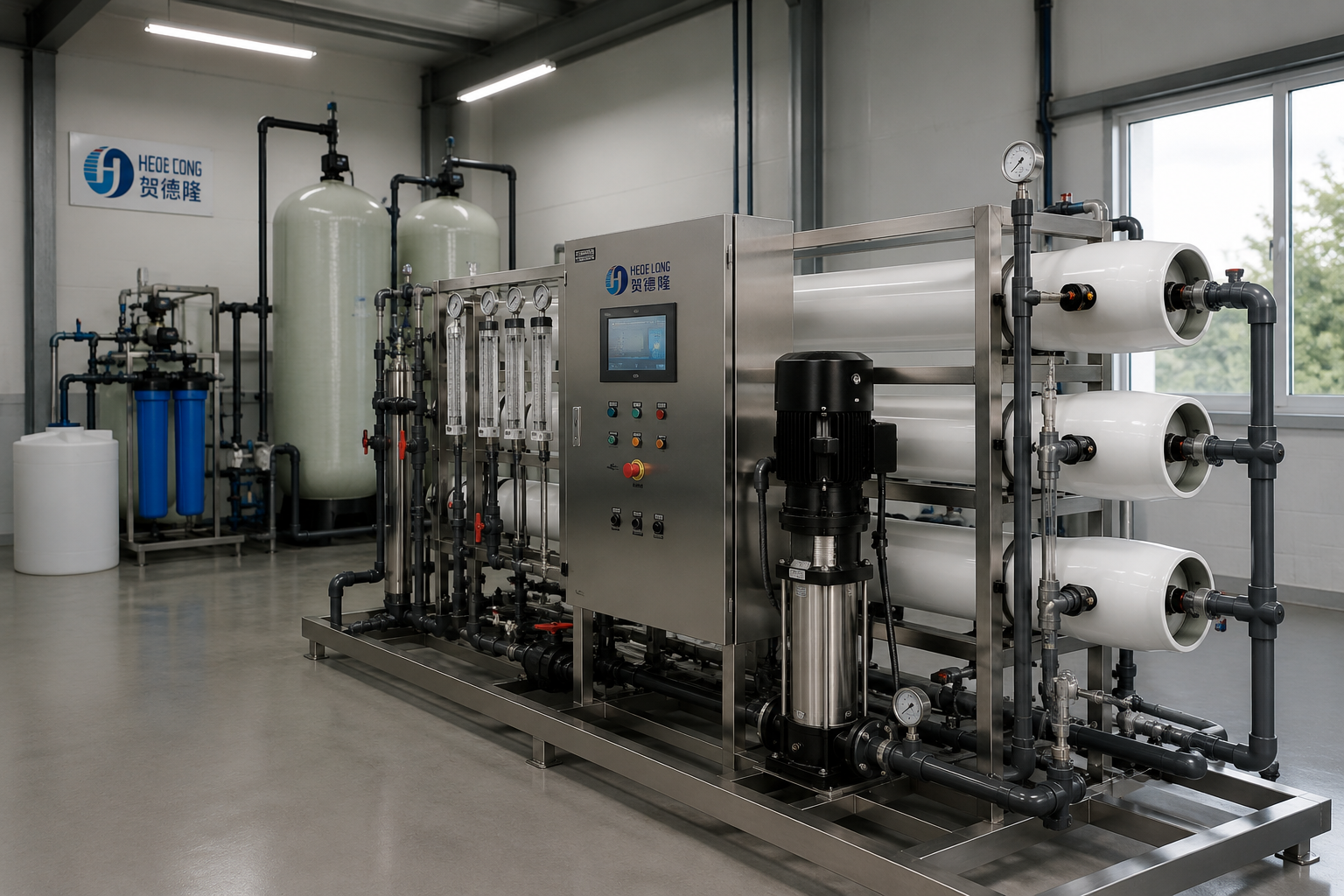
I use RO or NF for well water when the test report shows high TDS, salinity, or specific dissolved contaminants. I still need pretreatment before membranes to reduce fouling, scaling, and early failure.
Where RO and NF fit
I see RO and NF as membrane tools, not as all-in-one answers. RO can reduce many dissolved ions.8 NF can be useful when partial softening or selected ion reduction is the goal.9 But membranes are sensitive. They need correct feed water quality, stable pressure, suitable pretreatment, and proper cleaning planning. If the feed water has iron, manganese, hardness, turbidity, oil, or biological activity, the membrane can lose flow and performance fast.10 This creates extra cost for the distributor, dealer, or project contractor.
| Situation I see | My usual direction | My caution |
|---|---|---|
| High TDS well water | I consider RO | I confirm recovery, concentrate discharge, and pretreatment |
| Moderate hardness with selected ions | I may consider NF | I check whether NF meets the target use |
| Drinking water point of use | I may use small RO | I still need safe prefiltration and local testing |
| Commercial process water | I design a full skid | I check flow, pressure, and operating hours |
| Boiler feed water | I combine softening, RO, and polishing if needed | I confirm boiler requirements first |
Why RO is not the first answer every time
I often explain this point to buyers because RO is easy to market, but it is not always the best stock item for every well water case. If the main problem is sand, a proper prefilter may solve the first issue. If the main problem is hardness, a softener may be the core equipment. If the main problem is iron staining, iron removal should come before any membrane idea. If the main problem is bacteria, disinfection needs verified test data and local compliance. RO can be excellent, but I do not want it to become a costly way to hide a poor diagnosis.
How do I avoid common system selection mistakes?
A wrong well water system can pass the first sale and fail in the field. I have seen this hurt trust between buyers and suppliers.
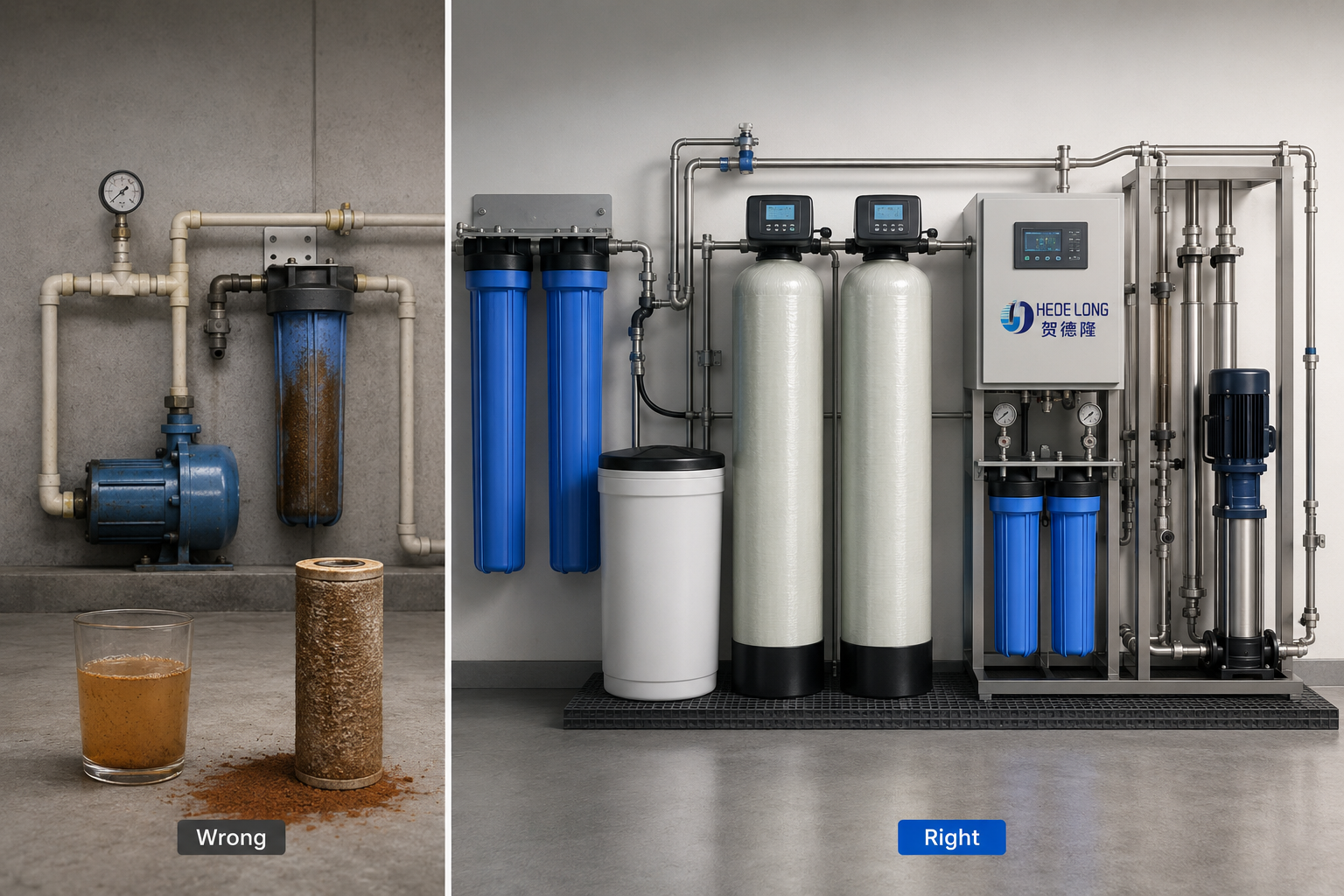
I avoid mistakes by matching equipment boundaries to test results, confirming water use, sizing flow correctly, and not treating RO, UV, carbon, or softeners as complete solutions by themselves.
Mistakes I try to prevent
The most common mistake is under-configuration. The system looks low-cost, but it cannot handle the real water. The second mistake is over-configuration. The system becomes too costly, too hard to install, and too hard to maintain. The third mistake is using a famous product category in the wrong place. I have seen buyers ask for RO when iron removal was the first problem. I have also seen buyers install UV without first reducing turbidity. Both choices can lead to complaints.
| Mistake | What can happen | My better approach |
|---|---|---|
| Choosing by product name only | The real problem remains | I start from test data |
| Using RO without pretreatment | Membranes foul or scale | I design pretreatment first |
| Using UV on turbid water | Disinfection may be weak | I reduce turbidity first |
| Using carbon as a safety barrier | Microbial risk may remain | I use verified disinfection planning |
| Ignoring flow rate | Pressure drops and user complaints rise | I size by peak flow and usage |
| Ignoring maintenance | Filters clog and performance drops | I set replacement and service plans |
How I set a safer selection process
I use a simple process with buyers. First, I ask for the water report. Second, I ask for the water use. Third, I ask for flow demand, peak demand, and operation hours. Fourth, I check installation space, power, drain, and maintenance ability. Fifth, I choose the equipment train. This process is not complex, but it prevents many failures. For OEM and ODM projects, I also think about packaging, spare parts, manuals, branding, and service language. A good system is not only a good machine. It is also a product that the local team can sell, install, explain, and support.
What should distributors and brand owners consider before stocking systems?
Stocking the wrong well water system can lock money in slow-moving products. It can also create repeat complaints and damage a brand.
I recommend distributors stock modular well water systems based on common local water problems, then configure media, softening, carbon, UV, RO, or NF after testing and target-use confirmation.
How I think about product range
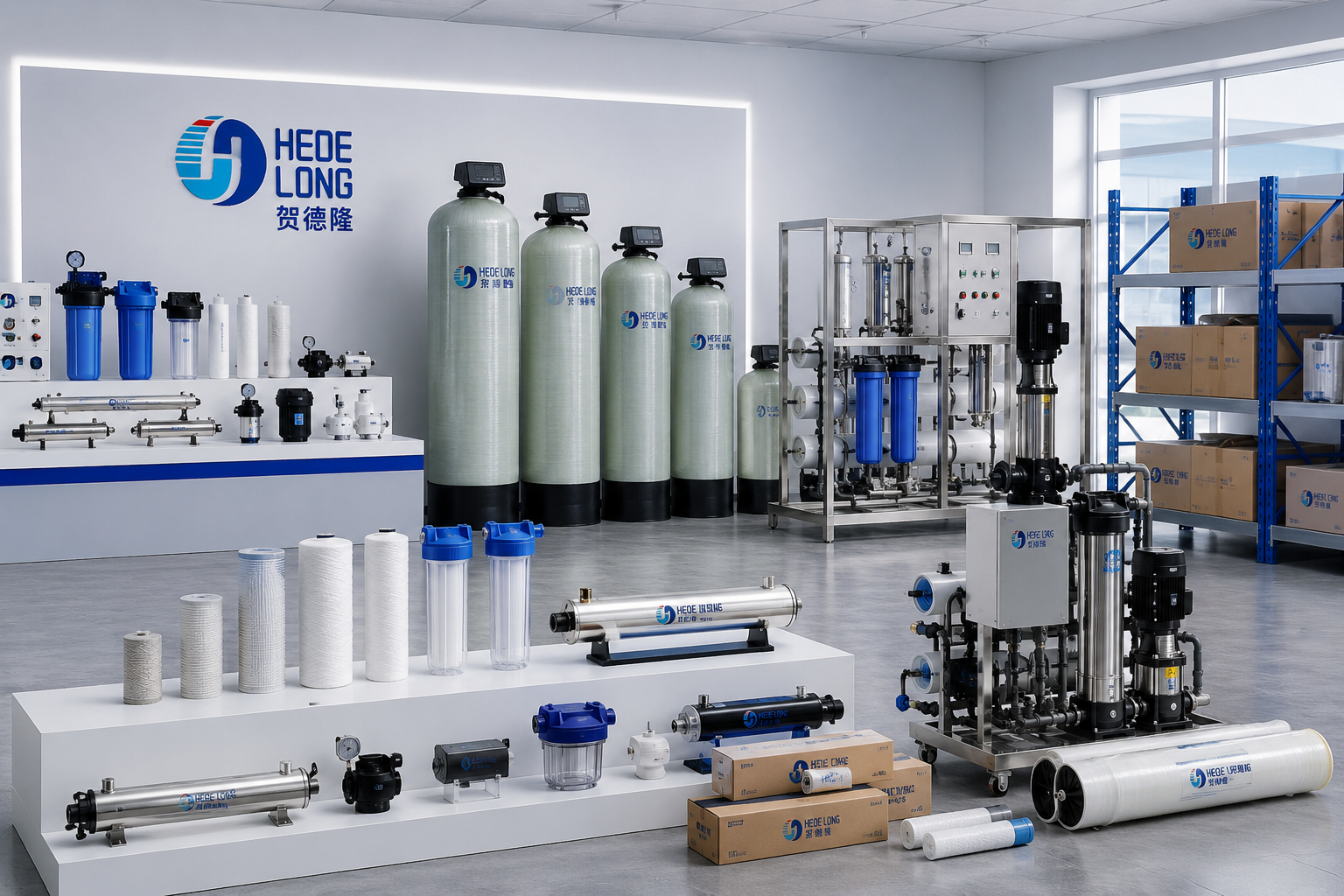
For distributors and brand owners, the best system is not only a technical choice. It is also a business choice. I need to balance inventory, local water issues, installation skill, spare parts, price points, and service risk. I usually suggest modular systems because they let the buyer adjust the treatment train without redesigning everything. A distributor can keep standard tanks, control valves, cartridge housings, UV units, RO skids, membrane housings, and media options. Then the local team can combine them based on test results.
| Business need | My system idea | Why it helps |
|---|---|---|
| Lower complaint rate | I match modules to water data | The system solves the real issue |
| Easier inventory | I use standard parts where possible | Stock control becomes simpler |
| Better local support | I provide clear manuals and diagrams | Installers make fewer mistakes |
| Flexible price range | I offer basic and advanced trains | Dealers can serve more customers |
| Brand consistency | I support OEM labels and packaging | The market sees one clear brand |
| Project growth | I design scalable systems | Small orders can grow into large projects |
What I ask before OEM or ODM planning
When I work with a brand owner, I ask what market they serve. A rural home market needs different products from an industrial water market. A boiler feed project needs different water quality from a domestic washing system. A bottled water plant needs another level of control. I also ask about local standards, because I am a manufacturer and system supplier, not a local regulatory authority. I can design and build equipment to meet stated requirements, but final drinking water safety and compliance must be confirmed by verified testing and local rules.
I also ask about after-sales structure. If the local team has limited technical staff, I keep the system easier to install and maintain. If the buyer has strong engineering support, I can design more customized systems with PLC control, skid-mounted layout, FRP tanks, stainless steel vessels, RO membranes, UF or NF modules, EDI polishing, and full documentation. This helps the product match both the water and the business model.
How do I choose between residential, commercial, and industrial well water systems?
A small home system may look attractive for all uses, but I have seen undersized systems fail when flow and duty become heavy.
I choose residential, commercial, or industrial well water systems by flow rate, operating hours, target water quality, maintenance skill, and end use. The same water source may need different equipment sizes for different users.
How I separate the use cases
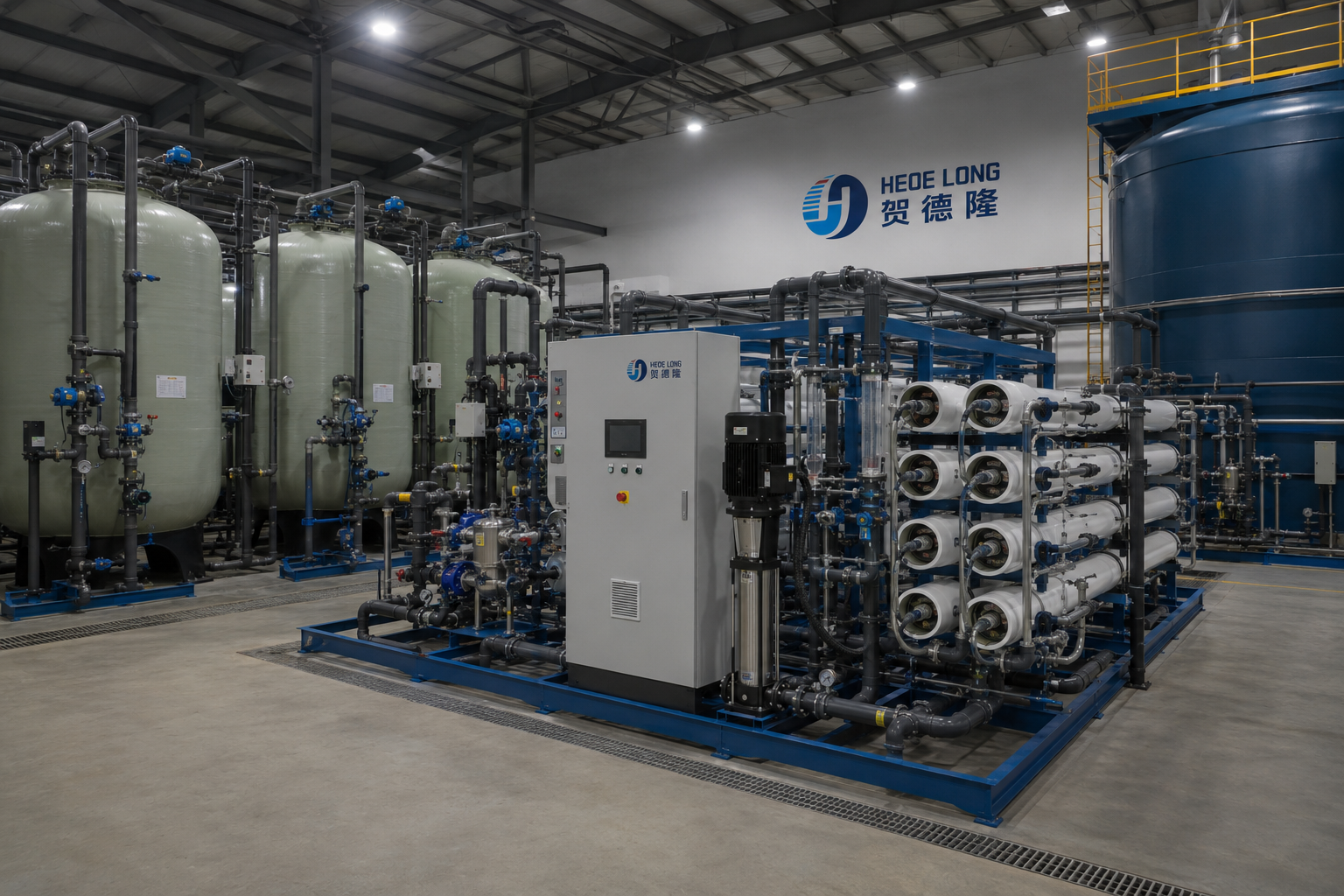
I do not only look at water quality. I also look at how the water is used. A household may need better taste, stain control, hardness control, and safe drinking water after verified testing. A hotel may need stable pressure, soft water for heaters, odor control, and lower maintenance. A factory may need process water, boiler feed water, or washing water. These uses change the equipment size and layout.
| Use case | My main concern | My equipment direction |
|---|---|---|
| Residential whole-house | I focus on comfort and basic protection | Sediment, softening, iron removal, carbon, UV if needed |
| Drinking water point | I focus on verified safety and taste | Carbon, UV, RO, or NF based on report |
| Hotel or school | I focus on flow and stable service | Larger media filters, softeners, UV, dosing |
| Agriculture | I focus on clogging, salinity, and livestock needs | Filtration, softening, RO or NF when needed |
| Boiler feed | I focus on scale and dissolved solids | Softener, RO, dosing, polishing |
| Industrial process | I focus on required water quality | Custom skid, UF, RO, NF, EDI if needed |
Why sizing is part of filtration quality
A correct filter type can still perform badly if the size is wrong. If the flow rate is too high, contact time may be too short.11 The filter may not remove enough iron, odor, or turbidity. If the backwash flow is too low, media may not clean well. If the storage tank is too small, pressure may swing and users may complain. I use this thinking when I supply systems from small skid-mounted RO units to larger containerized plants. I need the system to match the water, and I also need it to match the way people use the water every day.
Conclusion
I choose the best well water filtration system by testing the water, confirming the use, and building a practical treatment train that reduces failure risk.
"Why is Groundwater Quality Changing? | U.S. Geological Survey", https://www.usgs.gov/centers/california-water-science-center/why-groundwater-quality-changing. The U.S. Geological Survey explains that groundwater chemistry reflects the aquifer materials and hydrologic setting through which water moves, with variation across locations and time; this supports the article's site-specific framing, although it does not predict the chemistry of any individual well without testing. Evidence role: mechanism; source type: government. Supports: Groundwater quality is influenced by local geology, aquifer characteristics, well depth, recharge, and seasonal hydrologic conditions.. Scope note: Contextual support; it explains why variation occurs but does not document the specific wells discussed in the article. ↩
"Domestic (Private) Supply Wells | U.S. Geological Survey", https://www.usgs.gov/mission-areas/water-resources/science/domestic-private-supply-wells. University extension guidance on private wells notes that water quality can differ from well to well because of construction, aquifer conditions, and nearby land use, supporting the need to design treatment from individual test data rather than municipal-area assumptions. Evidence role: general_support; source type: education. Supports: Private well quality can vary over short distances, so treatment should be based on the individual well's test results.. Scope note: Contextual support; it establishes local variability but does not quantify the frequency of different treatment needs within one town. ↩
"Overview of Drinking Water Treatment Technologies | US EPA", https://www.epa.gov/sdwa/overview-drinking-water-treatment-technologies. Technical water-treatment references describe sediment and turbidity removal as a pretreatment step that reduces fouling and improves the performance of downstream membrane and disinfection processes, supporting the protective role assigned to sediment filtration. Evidence role: mechanism; source type: institution. Supports: Suspended solids and turbidity can foul filtration equipment and interfere with UV and membrane processes, making sediment removal a common pretreatment step.. Scope note: Contextual support; the degree of protection depends on particle loading, filter design, flow rate, and maintenance. ↩
"Hardness - Maryland Geological Survey", http://www.mgs.md.gov/groundwater/hardness.html. Government and public-health references on water hardness describe calcium and magnesium hardness as a cause of scale deposits in pipes, water heaters, and industrial equipment, supporting hardness control as a scale-reduction measure. Evidence role: mechanism; source type: government. Supports: Hardness caused mainly by calcium and magnesium contributes to scale formation in hot-water systems, boilers, pipes, and equipment.. ↩
"Secondary Drinking Water Standards: Guidance for Nuisance ... - EPA", https://www.epa.gov/sdwa/secondary-drinking-water-standards-guidance-nuisance-chemicals. Drinking-water guidance on iron and manganese identifies them as common groundwater constituents that cause staining, discoloration, metallic taste, and deposits in water systems, supporting the article's emphasis on removing them before sensitive downstream equipment. Evidence role: mechanism; source type: government. Supports: Iron and manganese are associated with staining, taste or color problems, and deposits that can affect plumbing or treatment equipment.. Scope note: Contextual support; fouling severity depends on concentration, oxidation state, microbiological activity, and equipment design. ↩
"Overview of Drinking Water Treatment Technologies | US EPA", https://www.epa.gov/sdwa/overview-drinking-water-treatment-technologies. Public-health water-treatment guidance describes activated carbon as useful for reducing taste, odor, and certain organic chemicals while distinguishing it from disinfection processes, supporting the article's statement that carbon should not be treated as a microbial safety barrier. Evidence role: expert_consensus; source type: government. Supports: Activated carbon is used for taste, odor, and organic chemical reduction but is not a disinfectant and does not reliably control microbial contamination by itself.. ↩
"[PDF] ULTRAVIOLET DISINFECTION GUIDANCE MANUAL FOR ... - EPA", https://www.epa.gov/system/files/documents/2022-10/ultraviolet-disinfection-guidance-manual-2006.pdf. Authoritative disinfection guidance states that ultraviolet systems inactivate microorganisms by UV exposure and that turbidity or poor UV transmittance can reduce effectiveness by shielding organisms, supporting the need for clear feed water and verification testing. Evidence role: mechanism; source type: government. Supports: UV disinfection can reduce microbial risk, but suspended particles and low UV transmittance can shield organisms, and water quality verification is needed.. ↩
"Drinking Water Treatment: Reverse Osmosis", https://extensionpubs.unl.edu/publication/g1490/na/html/view. Technical descriptions of reverse osmosis define it as a pressure-driven membrane process that rejects many dissolved salts and ions, supporting the article's statement that RO can reduce dissolved ionic constituents. Evidence role: definition; source type: government. Supports: Reverse osmosis membranes reduce dissolved salts and ions by forcing water through a semi-permeable membrane.. Scope note: Contextual support; actual rejection varies by ion, membrane type, pressure, temperature, fouling, and system operation. ↩
"Nanofiltration Process for Enhanced Treatment of RO Brine Discharge", https://pmc.ncbi.nlm.nih.gov/articles/PMC8002872/. Membrane-treatment literature describes nanofiltration as a pressure-driven process with relatively high rejection of divalent ions such as calcium and magnesium, supporting its use for partial softening and selected ion reduction. Evidence role: mechanism; source type: paper. Supports: Nanofiltration membranes preferentially reject multivalent ions and are commonly discussed for hardness reduction and selective ion removal.. Scope note: Contextual support; suitability depends on the target ions, membrane selection, feed chemistry, recovery, and required product-water quality. ↩
"Fouling of Reverse Osmosis (RO) and Nanofiltration (NF ... - PMC", https://pmc.ncbi.nlm.nih.gov/articles/PMC11509221/. Peer-reviewed membrane-fouling reviews identify particulate matter, mineral scaling, iron and manganese deposits, organic or oil contamination, and biofouling as causes of flux decline and performance loss in pressure-driven membrane systems, supporting the article's pretreatment warning. Evidence role: mechanism; source type: paper. Supports: RO and NF membrane performance can decline because of particulate fouling, scaling, metal oxide deposition, organic/oil fouling, and biofouling.. Scope note: Contextual support; the speed of performance loss depends on feed concentration, pretreatment, membrane material, hydrodynamics, cleaning, and operating recovery. ↩
"Effects of Hydraulic Loading Rate and Filter Length on the ... - HERO", https://hero.epa.gov/reference/4606699/. Water-treatment engineering references describe contact time or empty-bed contact time as a design parameter for adsorption and filtration processes, supporting the article's statement that excessive flow can shorten contact time and reduce treatment effectiveness. Evidence role: mechanism; source type: education. Supports: Treatment performance in filters and adsorption units is affected by flow rate because higher hydraulic loading can reduce residence time or contact time.. Scope note: Contextual support; the relationship varies by technology, media depth, contaminant, influent quality, and design standard. ↩